EBU Advances Bioeconomy Education and Skills at GBS2026
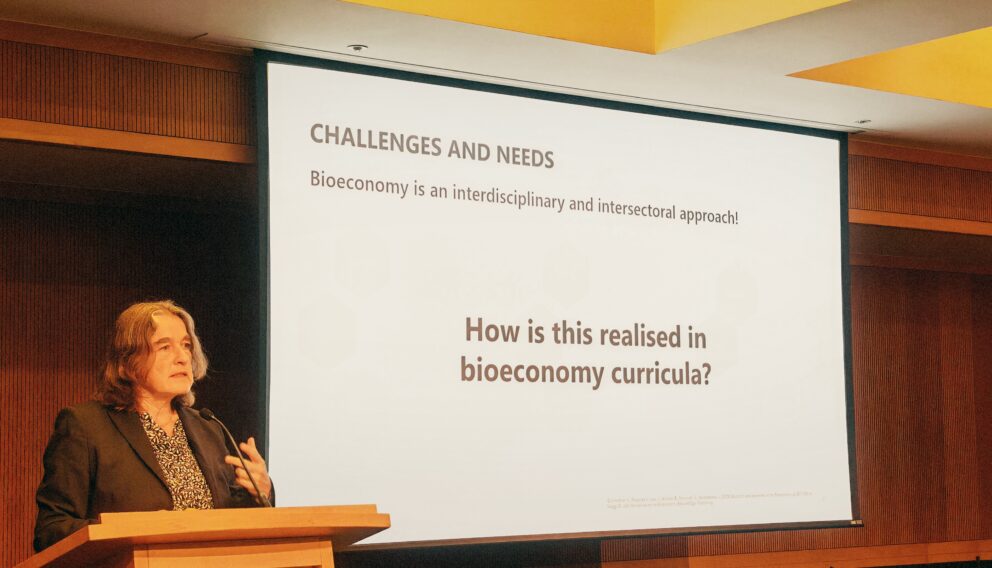
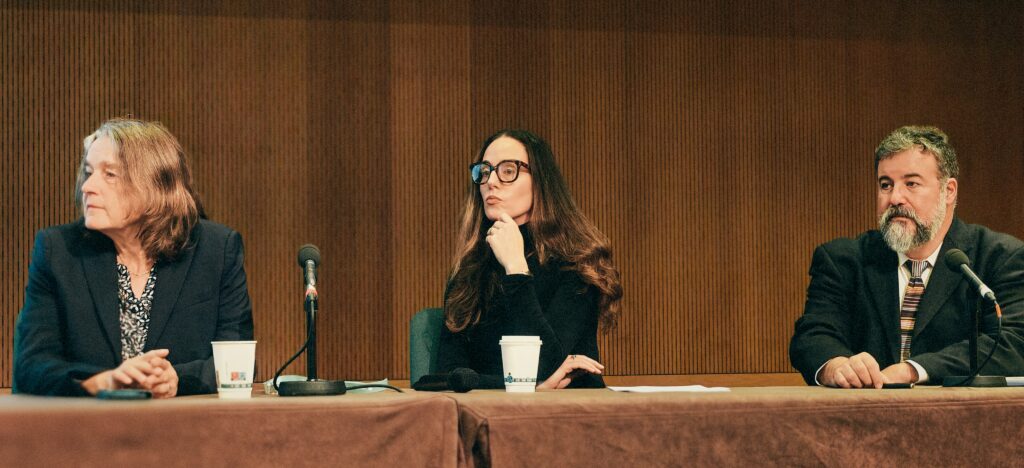
The workshop, Global Best Practices for Skills Development and Collaboration in University Bioeconomy Education, was held during the Global Bioeconomy Summit 2026 in Dublin. It hosted three keynote speeches: Global Overview of University Bioeconomy Education Programmes and Formats by Iris Lewandowski; Shaping Bioeconomy Education: Building Capacity Across Education Systems by Máire Nic an Bhaird; and Research and Education Needs of Multilateral Bioeconomy Initiatives by Herrick Fox.
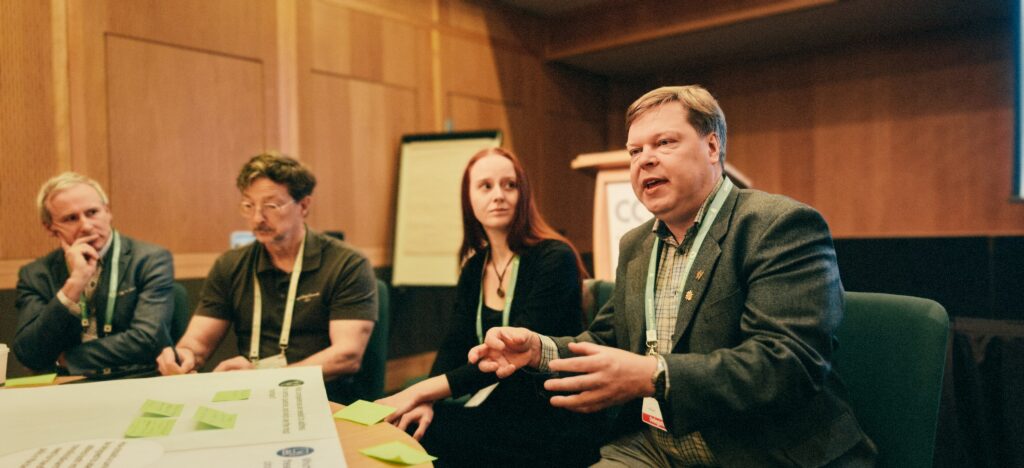
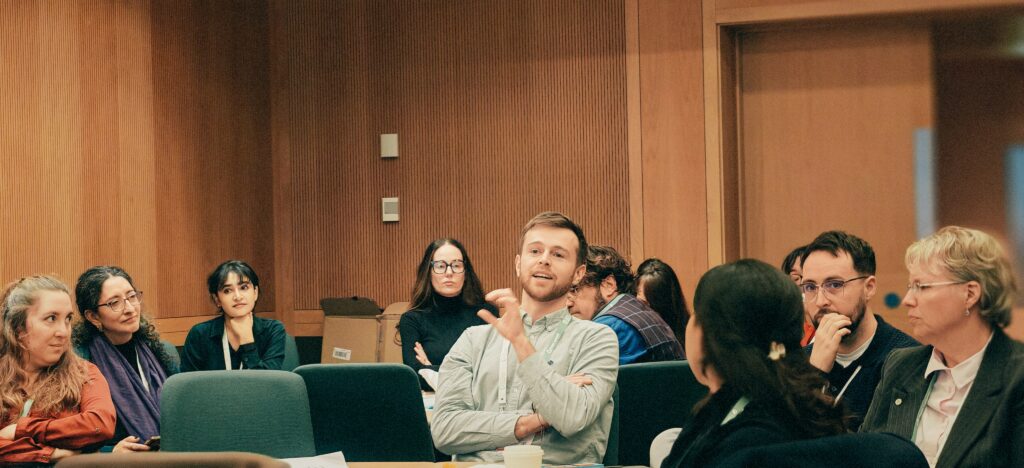
The workshop brought together around 60 participants who shared their insights and recommendations on three key topics: developing interdisciplinary and transformative skills; education and reskilling for entrepreneurs and industry representatives; and supporting teachers delivering bioeconomy education at different educational levels.
Developing interdisciplinary and transformative skills: Participants highlighted the importance of combining subject-specific and pedagogical competencies with effective communication across cultures, disciplines and stakeholders. They also emphasised the need for more flexible curricula that incorporate emerging research and anticipate future skill needs, recognising that preparing graduates takes time.
Education and reskilling for entrepreneurs and industry representatives: Discussions focused on developing flexible lifelong learning opportunities, including short online courses and self-paced learning. Participants also recommended greater industry involvement in curriculum development, hackathons and the sharing of entrepreneurial experiences, alongside stronger attention to life-cycle assessment, consumer behaviour, intellectual property and regulatory knowledge.
Supporting teachers delivering bioeconomy education: Participants emphasised the value of place-based, culturally relevant and co-created educational approaches that connect bioeconomy concepts to familiar products, local resources and practical examples. They also highlighted the importance of connecting different school subjects and educational disciplines, strengthening cooperation between educational institutions and other stakeholders, improving access to educational materials and ensuring adequate resources for educators.
An overarching recommendation was to develop flexible, evidence-based and continuously updated educational approaches that respond to current and future skills needs, combine local relevance with global perspectives, and are supported by shared terminology. The workshop concluded with a key message: skills and education are essential enablers of the bioeconomy transition and deserve greater attention alongside research, innovation, and investment.
European Bioeconomy University thanks all participants and co-organisers!